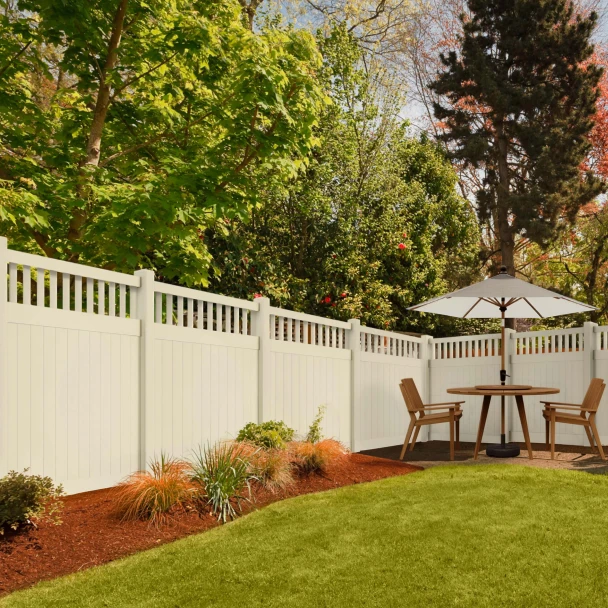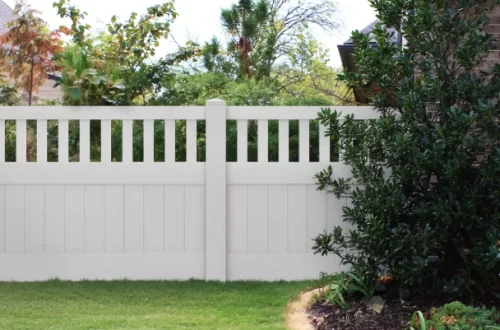
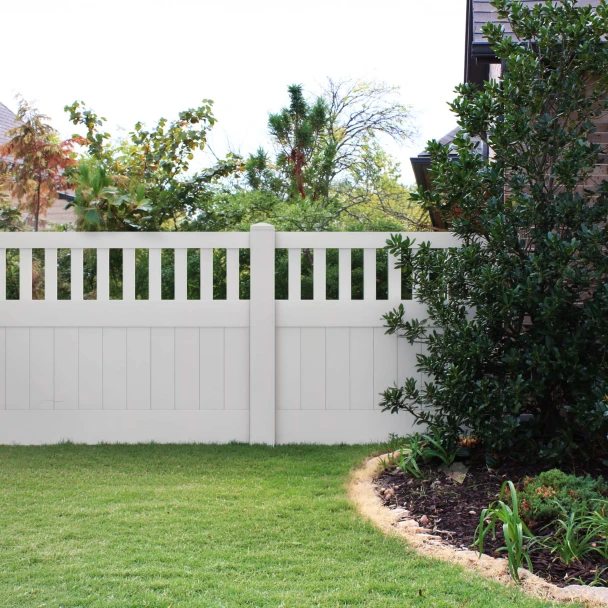
Quality vinyl fencing typically lasts 20–30 years, with some fences remaining structurally sound even longer. However, the actual lifespan depends on several factors, including the quality of the PVC, installation methods, climate, and maintenance. While vinyl fencing is known for its durability and minimal upkeep, not all products are manufactured to the same standards. Everything from UV protection and wall thickness to the depth of your fence posts can influence how well your fence performs over time. This guide goes beyond the typical lifespan estimate to explain what makes vinyl fencing last, which components are most likely to fail first, and what to look for in a manufacturer’s warranty. We’ll…
-
-
Vinyl vs. Wood Fence: Cost, Lifespan, and Maintenance Compared
When comparing a vinyl vs. wood fence, wood typically costs less upfront, while vinyl can save money over time through lower maintenance and fewer repairs. However, the best choice depends on your budget, climate, and how long you plan to keep your fence. Not all wood fencing is the same, either. Pressure-treated pine offers an affordable starting point, while cedar provides greater natural resistance to rot and insects at a higher price. This guide compares vinyl, cedar, and pressure-treated pine fencing, including upfront costs, a 20-year cost comparison, maintenance requirements, lifespan, and practical considerations to help you choose the right material for your property. Key Takeaways Vinyl vs. Wood Fence:…
-
Prefab Fence Panels vs. DIY Fences: Which Is Better?
Installing a new fence is a great way to improve your property’s privacy, security, and curb appeal. But before starting your project, you’ll need to decide whether to use prefab fence panels or build your fence from individual components. Both options can be suitable for DIY homeowners, but they differ in cost, installation time, customization, and flexibility. Understanding these differences can help you choose the right approach for your property, budget, and experience level. Key Takeaways Prefab Fence Panels vs. DIY Fences: What’s the Difference? Both methods allow homeowners to build a fence without necessarily hiring a professional contractor. The main difference is how much of the fence is assembled…
-
Termites in Your Fence: Signs, Treatment, and How to Prevent Damage
A wooden fence can add charm, privacy, and security to your property, but it can also attract an unwanted visitor: termites. These pests feed on wood from the inside out, often causing significant damage before homeowners even realize there’s a problem. If you’ve noticed unusual holes, hollow-sounding boards, or sagging fence posts, termites could be responsible. Left untreated, an infestation can weaken your fence’s structural integrity and potentially threaten other wooden structures on your property. Fortunately, knowing the signs of termites in your fence can help you catch an infestation early, prevent further damage, and avoid costly repairs. In this guide, we’ll cover how to identify termite activity, explore treatment…
-
Best Fence for Privacy: Low-Maintenance Options for Your Yard
A privacy fence changes how you use your yard. People spend more time outside, kids play without an audience, and the dog stops barking at every passerby. It also blocks wind, muffles street noise, and withstands rough weather, giving your outdoor space a defined edge. For many homeowners, it really comes down to security and privacy: a fence is as much an extension of your home as it is a boundary. Choosing a privacy fence can feel like one decision, but it’s really three separate questions: how much privacy you need, how much upkeep you’ll take on, and what you’re willing to spend now versus later. A wood fence and…
-
How to Find Affordable DIY Cable Deck Railings
Cable deck railing systems have become a popular choice for homeowners who want a modern look without blocking outdoor views. Whether you’re upgrading an existing deck or building a new outdoor living space, choosing the right DIY cable railing can help you achieve a clean appearance while staying within budget. The key to finding affordable cable deck railing solutions is understanding which features provide long-term value. From material quality to installation requirements, several factors can affect both the upfront cost and the overall performance of your railing system. By comparing options carefully, homeowners can find a cable railing kit that balances affordability, durability, and style. Key Takeaways What Makes Cable…
-
Types of Deck Railings and Styles You Should Consider
A deck railing does more than create a safety barrier. It influences your deck design, affects long-term maintenance, and helps shape how your outdoor living space looks and functions. The right railing can complement your home’s architecture while supporting the way you use the space every day. From classic wooden deck designs to modern railing systems that preserve scenic views, homeowners can choose from a wide range of railing styles and materials. Understanding the strengths and tradeoffs of each option can help you choose a rail design that fits both your home and your lifestyle. This guide explores common deck railing types, including cable, wood, composite, metal, and glass. You’ll…
-
The Best Fences for Coastal Areas
Living near the coast offers beautiful scenery and easy access to the water, but coastal environments can be especially demanding on outdoor structures. Salt air, humidity, moisture, intense sun exposure, and high winds create unique challenges that can shorten the lifespan of many fencing materials. For homeowners in coastal areas, choosing the right fence is essential. The right fencing solution can help reduce upkeep, improve durability, and maintain curb appeal for years to come. Whether you’re looking for privacy, security, or decorative appeal, selecting a fence designed to withstand coastal conditions can make a significant difference in both performance and long-term value. Key Takeaways What Coastal Climates Can Do to…
-
Composite vs. Vinyl Fencing: How to Choose the Right Option for Your Yard
A new fence affects your home’s privacy, curb appeal, and property value. Choosing between composite and vinyl is one of the most common decisions homeowners face when planning a fence project. This guide breaks down the differences between composite and vinyl fencing so you can pick the right material for your yard, budget, and priorities. Key Takeaways: Composite vs. Vinyl Fencing In a nutshell, here’s when to choose: Both options are common since they require lower maintenance than wood while resisting rot and pests. They also work just as well for privacy and boundary fencing. But if you still can’t decide, let’s get into the nitty-gritty details of these two…
-
Black PVC vs Non-PVC Coated Galvanized Chain Link Fencing
Chain link fencing comes in two main finishes: standard galvanized with its silver-gray look, and black vinyl-coated for a residential appearance. Both start with the same rust-resistant galvanized steel core, but the added coating on black chain link changes how the fence looks, performs in different environments, and fits into your budget. This guide explains the real differences between black PVC-coated and non-PVC coated galvanized chain link fencing so you can choose the option that’s best for your property and specific needs. You’ll learn how each finish is made, where each works best, what proper maintenance involves, and how the cost compares over time. Key Takeaways Understanding the Difference Between…