A new fence affects your home’s privacy, curb appeal, and property value. Choosing between composite and vinyl is one of the most common decisions homeowners face when planning a fence project. This guide breaks down the differences between composite and vinyl fencing so you can pick the right material for your yard, budget, and priorities.
Key Takeaways: Composite vs. Vinyl Fencing
In a nutshell, here’s when to choose:
- Wood-Plastic Composite (WPC) fencing: This mimics the look and feel of natural wood. It has stronger impact resistance than vinyl fencing, since this durable material is made from both wood fibers and plastic.
- Vinyl fencing: This primarily plastic-based fencing has a lower upfront cost and a clean, uniform look. Being made from polyvinyl chloride (PVC) makes these lightweight panels easier to install than composite fencing.
Both options are common since they require lower maintenance than wood while resisting rot and pests. They also work just as well for privacy and boundary fencing. But if you still can’t decide, let’s get into the nitty-gritty details of these two types of fencing options.
Composite vs. Vinyl Fencing: What’s the Difference?
If you’re curious about the specifics of WPC vs. PVC, here’s what you need to know:
Composite (WPC) Fencing
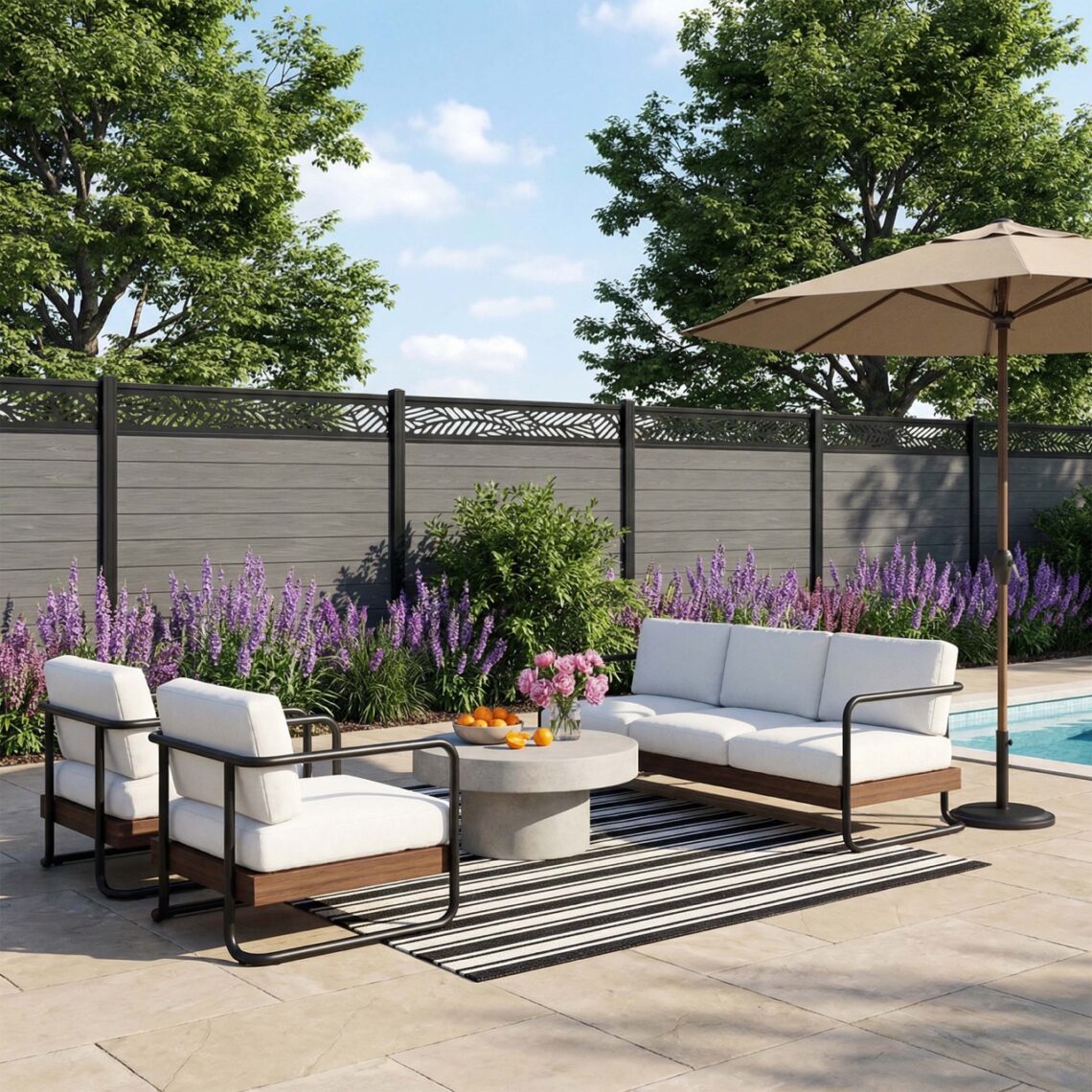
Composite fences blend wood fibers and plastic polymers to create a textured, matte finish that mimics real wood. The material is dense and heavy, resisting rot, insects, and moisture without chemical treatments.
Vinyl (PVC) Fencing
A vinyl fence uses polyvinyl chloride, a synthetic plastic that produces a smooth, consistent surface. PVC is lightweight and does not absorb water, preventing rot and mold.
Vinyl comes in various colors and styles, though most options feature lighter tones.
Key Differences That Can Impact Your Decision
It takes more than knowing the components of fencing material to make a decision. Here’s what it actually means to live with composite or vinyl fencing beyond installation.
Durability and Lifespan
A composite fence resists impact, cracking, and warping due to its dense construction. A vinyl fence handles moisture well but becomes brittle in extreme cold and softens in intense heat.
Both typically outlast traditional wood fences and need no sealing or painting. What’s important is considering the general climate of your area before building.
Maintenance Requirements
When it comes to fence maintenance, neither material demands much attention. Vinyl is virtually maintenance-free, needing only soap-and-water cleaning with no painting or staining required. Likewise, composite fencing is also low maintenance, only requiring occasional deeper cleaning in shaded or damp spots.
Appearance and Style Options
Each material offers distinct aesthetic advantages. Composite fencing delivers the natural aesthetic of textured wood-grain finishes in earth tones. On the other hand, vinyl offers a sleek, uniform surface and a range of colors that work perfectly for modern fence ideas, though options tend toward brighter tones
Cost and Long-Term Value
When calculating your total fence cost, composite costs more upfront while vinyl is more budget-friendly initially. Over time, however, total ownership costs balance out because both avoid the recurring repairs a wood fence demands. Moreover, both materials can increase property value by improving curb appeal and security.
Weather and Climate Performance
Climate performance varies by material. Composite handles sun exposure and temperature swings well because color runs throughout the material, while vinyl’s non-porous surface excels in humid areas but can crack during freeze-thaw cycles.
Environmental Considerations
Each material has different environmental impacts. Composite often contains recycled plastic and wood, diverting waste from landfills. And though PVC-based vinyl is not biodegradable, its long lifespan reduces replacement frequency.
Which Fence Material Is Right for Your Needs?
Choose composite fencing if you want:
- A wood-like look that blends with natural landscaping
- Added strength for high-traffic or windy areas
- An eco-friendly alternative made from recycled plastic and wood
Vinyl fencing is a wonderful option if you want:
- A lower initial investment with a clean design
- Strong moisture resistance
- A practical alternative compared to wood or chain link fences
Installation Considerations
Installation difficulty varies between materials. Vinyl panels are lighter and often use interlocking designs, making them approachable for DIY fence kit projects. Composite panels are heavier and need sturdier fence posts plus a helper for installation.
Comparing ALEKO Vinyl and Composite Fencing Options
ALEKO offers both options because different homeowners have different needs. The composite fencing collection delivers a wood-like look with lasting weather resistance.
The vinyl fencing collection provides clean aesthetics with lightweight panels for a straightforward setup. Both lines are backed by ALEKO customer support for planning questions.
Find the Right Fence for Your Property at ALEKO
When you choose the right fence materials, the final decision matches your priorities, whether it’s budget, style, durability, or climate performance. Explore both ALEKO collections side by side to see which material fits your yard. Contact the team by phone or web for sizing, specs, or installation help.
Frequently Asked Questions
What are the downsides of composite fencing?
Composite fencing has higher upfront cost, heavier panels requiring more labor, and textured surfaces that need more effortful cleaning.
Is composite or vinyl better for fencing?
Neither composite or vinyl fencing is universally better. Composite suits those wanting natural aesthetics and impact resistance. Vinyl suits those prioritizing budget and easier installation.
What is the best no-maintenance fence?
Vinyl comes closest to no-maintenance fencing, requiring only occasional rinsing.
How long do composite and vinyl fences last?
Both composite and vinyl fences typically last 30 years or more, outlasting traditional wood fences.
Can I install composite or vinyl fencing myself?
Vinyl is more DIY-friendly due to lighter panels. Composite benefits from professional help because of panel weight.