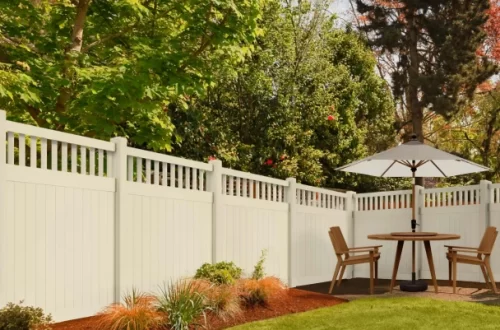
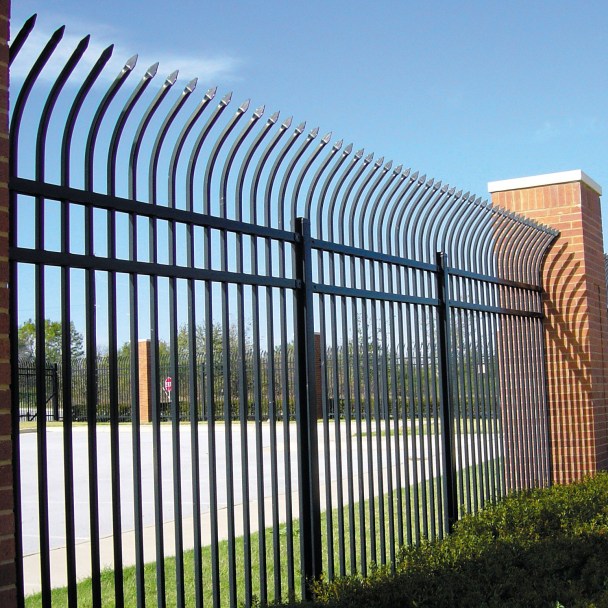
Planning a metal fence for your property means facing a wide range of costs. A basic chain link fence may cost as little as $8 per foot, while decorative wrought iron fencing can reach $50 per foot or more. Understanding what drives metal fence costs helps you budget accurately and choose the right material for your needs.
This fence cost guide explains how fence material, fence height, and installation cost affect the overall cost of a metal fence installation. You’ll also learn where costs can vary, how to reduce expenses, and how metal fencing compares to wood or vinyl alternatives.
How Fence Height and Length Play a Role
The fence height you choose directly impacts material costs and installation time. Standard residential heights include 3 ft., 4 ft., 5 ft., and 6 ft. options, with taller fences requiring additional materials and deeper post holes. Each additional foot of height adds about $8 more per foot to your total project cost.
Linear Feet and Fence Project Size
To estimate your fence project cost:
- Measure the size of your fence in linear feet
- Subtract gate openings
- Add 10% for waste and adjustments
Average Cost by Fence Size (Galvanized Steel Fence Example)
Here’s how project size affects your total cost for a high quality steel fence:
| Project Size | Linear Feet | Total Cost Range |
| Small garden fence | 50 | $4,000 to $6,000 |
| Backyard perimeter | 150 | $12,000 to $19,000 |
| Full property fence | 300 | $24,000 to $37,000 |
Post spacing also affects material costs. Standard spacing runs 6 to 8 feet between metal fence posts, and understanding how far apart fence posts should be can help owners estimate material needs and avoid unnecessary installation costs. Closer spacing increases material costs but provides greater stability, especially for taller fences or areas with high winds.
To simplify planning, many homeowners choose fencing systems with standardized panel sizes. For example, ALEKO’s steel fence panels are offered in fixed 8-ft. widths and heights of 4–6 ft., making it easier to calculate linear feet, estimate material needs, and avoid unnecessary overbuying during installation.
Metal Fence Materials and Price Differences
Different fence materials require varying levels of upkeep, which affects your long-term maintenance costs beyond the initial installation.
Aluminum Fence Cost
Aluminum fencing demands the least attention. An occasional wash with soap and water keeps panels looking fresh, and the surface does not require painting or sealing. For professional cleaning, pressure washing costs $250 on average, though annual cleaning supplies for DIY maintenance cost under $20.
Steel Fence Cost
Steel and iron fence materials extend costs beyond installation through ongoing maintenance. These require active rust prevention through regular inspection for chips in the protective coating. You’ll need touch-up paint every two to three years and a full repainting every five to seven years to maintain both appearance and structural integrity.
Wrought Iron Fence Costs
A wrought iron fence delivers classic aesthetics and high security, but it comes with higher costs. Wrought iron fence costs include both a higher price per foot and ongoing maintenance. With proper care, iron fencing can last 15–25 years.
Chain Link Fence
Chain link fences require less maintenance than steel but more than aluminum. Maintenance involves tightening loose fabric and replacing damaged sections as needed. The galvanized coating handles weather exposure well, though vinyl-coated options last even longer in harsh conditions.
Common repairs you might face include:
- Bent or damaged panel replacement – Costs vary by material and style but typically run less than replacing entire sections
- Post replacement – Labor-intensive due to concrete removal, especially for corner or gate posts
- Gate hardware repair – Often the first component to wear out from daily use
Applying a clear sealant after installation adds to your initial investment but extends the fence’s life. This preventive measure proves especially valuable in humid climates or coastal areas where salt air accelerates corrosion.

Ways to Save on Metal Fencing
Choose Cost-Effective Fence Materials
Strategic material selection offers a major savings opportunity when planning a fence project. A chain link fence costs a fraction of ornamental options while still providing security and durability for large perimeters.
A mixed-material approach can also help manage the overall cost of a fence project:
- Use wrought iron style or ornamental metal fencing in highly visible front-yard areas to enhance curb appeal
- Install chain link fencing along side and back sections where appearance matters less
This approach helps control price while maintaining a polished look where it counts.
Save on Fence Installation With DIY Options
DIY metal fence installation can reduce your fence installation cost by 40% to 60% compared to hiring a fence contractor. You can save thousands of dollars by DIY-ing a fence installation.
Homeowners comfortable with basic tools may choose to install a metal fence themselves. The cost to build a 100-foot aluminum fence yourself runs $2,500 to $3,500 for materials, while professional installation brings the total to $4,500 to $6,000.
ALEKO’s DIY fence kits include clear instructions that help you complete projects without professional help.
Plan Installation Timing to Lower Labor Cost
Labor cost fluctuates throughout the year. Fence contractors often charge less during late fall and winter, when demand slows. Scheduling a fence installation project during the off-season may reduce both labor and material pricing.
Buy Direct to Reduce Material Costs
Purchasing fencing directly from manufacturers helps eliminate retailer markups that increase the cost of materials. For large fence installation projects, shipping heavy metal fence panels can add up quickly.
ALEKO offers free shipping on qualifying orders, which reduces total cost on large projects where shipping heavy metal fence panels would otherwise add significant expense.
Is It Worth the Investment?
Metal fencing often costs more upfront than a wood fence or vinyl fence, but for many homeowners, the long-term value justifies the price, especially when planning a new fence or replacing an old fence.
Longevity Compared to Other Fence Types
Durability is one of the main reasons homeowners choose metal over other fence material options like wood. Aluminum and steel fences typically last 20 to 30 years or longer with minimal upkeep, and aluminum can last up to 50 years if kept in good shape.
By comparison, a wood fence, whether a picket fence, rail fence, or split rail fence, often needs replacement after 10–15 years due to rot, warping, or insect damage. While metal fence installation costs more initially, it often costs less over time because it avoids frequent repairs and replacement.
Home Value, Curb Appeal, and ROI
A well-maintained metal fence can increase home value and curb appeal when you’re ready to sell. When a fence complements the home’s style and serves a clear purpose, such as security, privacy, or pool safety, it often becomes a positive feature for potential buyers rather than a cost they’ll need to address after purchase.
Whether you choose aluminum panels for a decorative front yard or work with an iron fence shop for a custom design, metal fencing tends to retain value better than many alternatives.
Security, Privacy, and Everyday Use
Metal fences offer reliable privacy and security. Steel and wrought iron fences offer strength that’s harder to breach than wood or vinyl, while still allowing visibility. This makes them a popular choice for homeowners who want a fence that protects without feeling closed in.
Metal fences offer practical advantages for specific applications:
- Pool safety fencing – Meets code requirements and won’t rot from constant moisture exposure
- Pet containment – Chain link fence durability prevents escape and can’t be chewed through like wood or vinyl
- Property line definition –Aluminum combines clear boundary marking with lasting curb appeal
Understanding Total Cost of Ownership
When evaluating whether you should build a fence, it’s important to look beyond cost per linear foot. While a metal fence typically costs more per foot upfront, the total expense includes material and labor, maintenance, and eventual replacement.
For example:
- A metal fence may cost $40 per linear foot installed, depending on the complexity of the installation
- Wood fencing may cost less initially, but ongoing staining, sealing, and repairs add additional costs over time
In many cases, the cost of installing aluminum or steel fencing results in a lower lifetime expense, even when factoring in metal fence installation costs and professional help from a fence installer.
Finding the Right Metal Fence for Your Property
Choosing the right metal fence means balancing your budget with your property’s specific needs. Start by identifying your primary goal, such as security, privacy, aesthetics, or pet containment, then select the type of fence that best serves that purpose.
ALEKO provides a range of metal fencing options designed to fit different budgets and project requirements. From budget-friendly chain link to decorative steel panels, ALEKO’s transparent specifications help you understand exactly what you’re purchasing. ALEKO’s free shipping and straightforward product information simplify your project planning, helping you choose the right solution for your property.