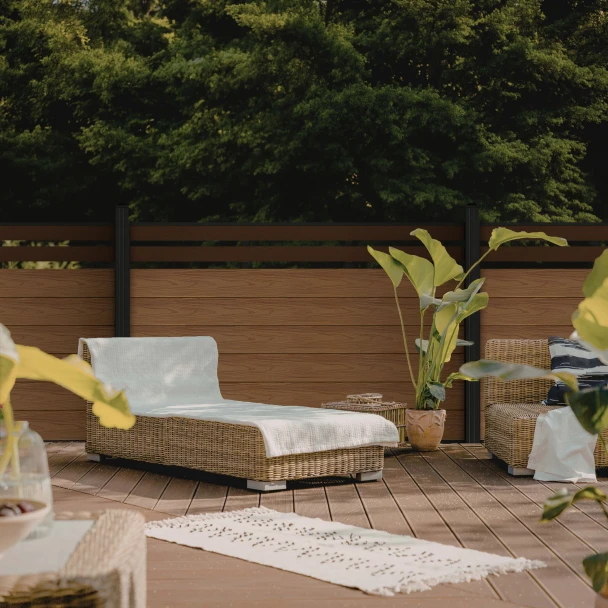
Installing a new fence is a great way to improve your property’s privacy, security, and curb appeal. But before starting your project, you’ll need to decide whether to use prefab fence panels or build your fence from individual components.
Both options can be suitable for DIY homeowners, but they differ in cost, installation time, customization, and flexibility. Understanding these differences can help you choose the right approach for your property, budget, and experience level.
Key Takeaways
- Choose prefab fence panels if: You want a simpler installation process, consistent appearance, and less measuring and assembly.
- Consider building from individual components if: You need more flexibility for uneven terrain, unusual layouts, or a customized design.
- Consider the total cost: Materials, tools, hardware, labor, and installation time all affect your final pricing.
- Evaluate your property: Slopes, corners, gates, and irregular boundaries can influence which installation method works best.
- Compare your options: Consider cost, installation difficulty, customization, terrain, material, and long-term maintenance before making a decision.
Prefab Fence Panels vs. DIY Fences: What’s the Difference?
Both methods allow homeowners to build a fence without necessarily hiring a professional contractor. The main difference is how much of the fence is assembled before installation.
Prefab Fence Panels
Prefab fence panels, also called pre-built or pre-made fence panels, are manufactured in standard sizes and designed to be installed between fence posts. Depending on the product, panels may arrive fully assembled or as pre-cut sections that require some assembly.
These panels are available in a variety of materials, including wood, steel, aluminum, vinyl, and composite. Homeowners can choose from different heights and styles, including privacy, picket, and decorative fencing.
Because much of the measuring, cutting, and construction is completed during manufacturing, prefab panels can simplify installation while providing a consistent, uniform appearance.
Building a Fence From Individual Components
Building a fence from scratch involves purchasing individual materials, such as posts, rails, boards, pickets, and hardware, and assembling them on-site.
This method gives homeowners greater control over the fence’s dimensions, spacing, height, and overall design. It can be particularly beneficial for properties with unusual layouts or uneven landscapes where standard fence panels may not fit properly.
However, building from individual components typically requires more planning, measuring, cutting, and assembly. You’ll also need to ensure that each section is properly aligned and securely attached to the fence posts.
Comparing Prefab Panels vs. Building a Fence Yourself
When deciding between prefab fence panels and building a fence from scratch, consider how each option affects your budget, installation process, and finished results.
Cost
Prefab fence panels may have a higher upfront material cost than purchasing individual fence components, depending on the material and style. However, their simplified installation can help reduce labor costs and the amount of time needed to complete your project.
Building from individual components may offer opportunities to save on materials, particularly for basic wood fence designs. However, you’ll also need to account for additional hardware, cutting tools, material waste, and the time required for construction.
If you’re hiring a contractor, labor expenses can make a significant difference in the total project cost.
For a more detailed breakdown of fencing expenses, read our guide on how much a fence costs.
Installation
One of the biggest benefits of prefab fence panels is their straightforward installation. With pre-sized sections, homeowners can spend less time measuring, cutting, and assembling individual boards and rails.
Installation generally involves measuring the fence line, digging post holes, setting the posts, and attaching the panels using the appropriate hardware. Depending on the material and size, some panels may require two people to lift and position safely.
Building a fence from scratch requires additional steps, including measuring and cutting individual components, assembling each section, and ensuring consistent spacing and alignment.
Both approaches require careful planning and proper installation. Even with pre-assembled fence panels, sturdy fence posts and secure connections are essential for long-term durability.
Customization
Building a fence from individual components provides greater design flexibility. Homeowners can adjust board spacing, rail placement, fence height, and other details to create a custom look that complements their home and landscape.
Prefab fence panels are generally manufactured in standard dimensions, which can limit customization. However, they are available in numerous materials, colors, sizes, and styles, making it possible to find an option that matches your property’s appearance.
For homeowners who want a consistent, professional-looking fence without designing every section from scratch, prefab panels can be an excellent solution.
Slopes & Uneven Yards
Your property’s terrain is another important consideration when choosing between prefab panels and individually assembled fencing.
On flat ground, pre-built fence panels are relatively straightforward to install. However, sloped or uneven landscapes can make installation more challenging.
Some prefab fence systems support stepped installation, where each panel remains level while following the slope in gradual increments. Other systems are designed to rack, allowing the panel to follow the incline more closely.
Building from individual components can offer greater flexibility on uneven terrain because boards and rails can be measured and adjusted to match the landscape.
Before purchasing prefab panels, check whether the manufacturer supports installation on slopes and what adjustments may be required.
Which Fence Installation Method Is Right for You?
The best installation method depends on your property’s layout, your DIY experience, and how much customization you want.
Choose Prefab Fence Panels If You Want:
- A simpler DIY installation process
- Consistent panel sizes and a uniform appearance
- Less measuring, cutting, and assembly
- A straightforward fence layout with standard dimensions
- A convenient option for replacing existing fence sections
Consider Individual Fence Components If You Want:
- Greater control over fence height, dimensions, and spacing
- More flexibility for sloped or uneven terrain
- A highly customized fence design
- The ability to work around unusual property boundaries
- More freedom to select individual materials and construction details
Keep in mind that prefab panels and DIY installation aren’t mutually exclusive. Many homeowners choose to install pre-made fence panels themselves, combining the convenience of ready-designed sections with the potential savings of DIY labor.
Don’t Forget to Consider the Fence Material
Whether you’re installing prefab panels or building a fence from scratch, the material you choose will affect durability, maintenance, pricing, and appearance.
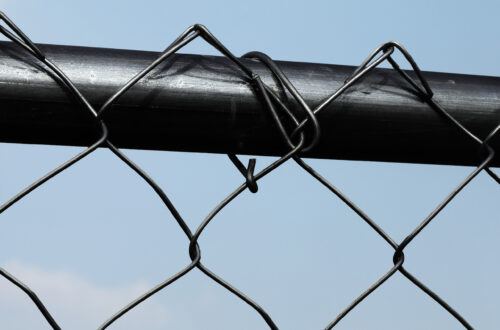
Metal Fencing: Steel and aluminum fencing are popular for their strength and long-lasting performance. Galvanized or powder-coated steel panels offer corrosion resistance and are available in a range of decorative and security-focused styles. Aluminum is lightweight and naturally resistant to rust. Learn more about the different types of metal fencing to determine which option suits your property.
Vinyl (PVC) Fencing: Vinyl fence panels are a low-maintenance alternative to traditional wood fencing. They resist rot and insect damage and generally require only occasional cleaning. Many vinyl fencing systems use prefabricated components that fit together during installation.
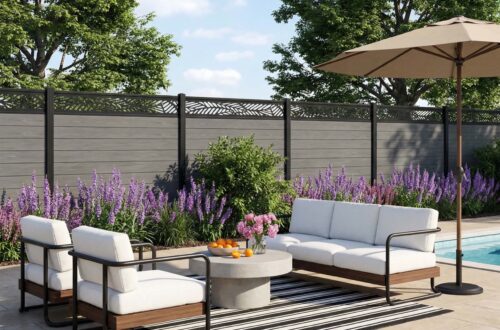
Composite (WPC) Fencing: Wood-plastic composite fencing combines wood fibers and plastic materials to create a durable, low-maintenance alternative to traditional wood. Composite fence panels are available in modern privacy and semi-private designs and typically don’t require regular painting or staining.
Wood Fencing: Wood offers a traditional appearance and considerable flexibility for custom fence construction. Homeowners can choose from different board styles, heights, and finishes, but wood generally requires more maintenance to protect against moisture, rot, and weathering.
The right material depends on your priorities. If privacy is your main concern, solid vinyl, composite, or wood panels may be ideal. For decorative boundaries or added security, metal fencing can offer a sturdy and attractive solution.
Explore ALEKO Fencing for Your DIY Project
ALEKO offers a variety of fencing materials and styles to help homeowners create a durable, attractive boundary around their property.
Our metal fencing collection includes galvanized steel fence panels, decorative fencing, and DIY kits designed for residential and commercial applications. Select kits include matching posts and installation hardware to simplify assembly.
For homeowners prioritizing privacy and minimal upkeep, our vinyl fencing offers a practical alternative to traditional wood. Available in different styles, vinyl panels can complement a range of outdoor spaces without the need for regular staining or painting.
Our composite fencing combines a modern appearance with durable construction, making it another appealing option for backyard privacy and property boundaries.
Before ordering, measure your fence line carefully, account for corners and gates, and review the installation requirements for your chosen material. This will help ensure you purchase the correct number of panels, posts, and accessories for your project.
Find the Right Fence for Your Property
Both prefab fence panels and fences built from individual components have advantages. Prefab panels offer convenience, consistent sizing, and simpler installation, while building from scratch provides greater flexibility for custom designs and challenging landscapes.
Consider your budget, property layout, preferred materials, and DIY experience before choosing the best approach. With the right planning and materials, either method can provide a durable, attractive fence that enhances your outdoor space.
Explore ALEKO’s fencing options to find the right materials and style for your next DIY project.