A wooden fence can add charm, privacy, and security to your property, but it can also attract an unwanted visitor: termites. These pests feed on wood from the inside out, often causing significant damage before homeowners even realize there’s a problem.
If you’ve noticed unusual holes, hollow-sounding boards, or sagging fence posts, termites could be responsible. Left untreated, an infestation can weaken your fence’s structural integrity and potentially threaten other wooden structures on your property.
Fortunately, knowing the signs of termites in your fence can help you catch an infestation early, prevent further damage, and avoid costly repairs. In this guide, we’ll cover how to identify termite activity, explore treatment options, and explain how termite-resistant fencing materials can help protect your property long-term.
Key Takeaways
- Wood fences are vulnerable to termites because they contain cellulose, particularly when exposed to soil and moisture.
- Common signs of termite damage include mud tubes, hollow-sounding wood, discarded wings, and sagging fence posts.
- Minor, localized termite issues may be manageable with targeted treatments, but widespread infestations often require professional pest control.
- Termites in a fence can also indicate a potential risk to nearby decks, sheds, and homes.
- Metal and vinyl fencing are termite-proof alternatives because termites cannot feed on these materials.
- Preventing termites starts with controlling moisture, reducing wood-to-soil contact, and inspecting your fence regularly.
Why Termites Target Fences
Termites feed on cellulose, an organic material found in wood and other plant-based products. This makes a traditional wood fence an attractive food source, especially when fence posts and boards are exposed to damp soil.
Unlike many other outdoor pests, termites can tunnel through wood without leaving obvious surface damage. A fence may appear perfectly intact while termites are gradually eating away at its interior.
Several conditions make wooden fences particularly vulnerable to termite infestations:
- Direct soil contact: Wooden fence posts buried in the ground give subterranean termites easy access to their food source.
- Excess moisture: Poor drainage, standing water, and damp landscaping create favorable conditions for termite activity.
- Untreated or aging wood: Wood without adequate protection can be more susceptible to pests, rot, and deterioration.
- Nearby wood debris: Firewood piles, fallen branches, and old lumber can attract termites to the surrounding area.
Termite damage on a fence isn’t necessarily an isolated problem. If an active colony is present near your fence line, termites may also be feeding on a wooden deck, shed, or even parts of your home.
That’s why identifying and addressing termite issues early is important for protecting your entire property.
How to Spot Termites in Your Fence
Termites often remain hidden inside wooden structures, making early detection challenging. However, there are several warning signs homeowners can look for when inspecting a wooden fence.
The Five Warning Signs
1. Mud Tubes
Subterranean termites build narrow tunnels from soil, saliva, and other materials to travel between their colony and a food source. Look for these mud tubes near the base of your fence, along fence posts, or on nearby structures.
2. Hollow-Sounding Wood
As termites tunnel through wood, they leave behind hollow spaces. If you tap on a fence post or board and it sounds unusually hollow, there may be hidden termite damage.
3. Discarded Wings
Reproductive termites, known as swarmers, shed their wings after leaving their colony. Small piles of discarded wings near your fence may indicate termite activity nearby.
4. Frass (Termite Droppings)
Drywood termites leave behind tiny, pellet-shaped droppings called frass. These can resemble sawdust but have a more uniform, granular appearance. Look for small piles beneath fence boards or near tiny holes in the wood.
5. Sagging or Leaning Fence Posts
Extensive termite damage can weaken the internal structure of wood, causing fence posts to lean, boards to sag, or sections of fencing to become unstable. However, these problems can also result from rot, soil movement, or improper installation.
Do the Tap Test and Mud-Tube Test
If you suspect termites on your wood fence, a simple visual inspection can help you identify areas that may need professional attention.
Start with the tap test. Use the handle of a screwdriver to gently tap along fence posts and boards. Healthy wood typically produces a solid sound, while damaged wood may sound hollow. You can also carefully probe suspicious areas with a flathead screwdriver to check for soft spots or hidden galleries.
Next, inspect the base of your fence for mud tubes. If you find one, document its location and photograph it. Breaking open a small section may reveal live termites, but an empty tube doesn’t necessarily mean the colony is inactive. Termites can rebuild damaged tunnels or use other routes.
These tests can help identify possible signs of termite damage, but they cannot confirm the full extent of an infestation. A pest control expert can perform a more thorough inspection to determine whether termites are actively feeding on your fence.
Types of Termites That Damage Fences
Not all termite species behave the same way. Understanding which type of termite you’re dealing with can help determine the most effective treatment and prevention strategy.
Subterranean Termites (Including Formosan “Super-Termites”)
Subterranean termites are among the most common termites affecting wooden structures in the United States.
These termites live in underground colonies and travel through mud tubes to reach wood above the soil. Fence posts buried directly in the ground are especially vulnerable because they provide easy access to cellulose.
Formosan subterranean termites are a particularly destructive invasive species found in several warm, humid regions, including parts of the southern United States. Their large colonies can cause extensive wood damage relatively quickly.
Signs of subterranean termite activity include mud tubes, hollow wood, and damage concentrated near the base of your fence.
Drywood Termites
Unlike subterranean termites, drywood termites can establish colonies directly inside wood without needing contact with soil.
They are more common in warmer coastal and southern regions, particularly parts of California, Florida, and other areas with suitable climates.
Drywood termites can infest fence boards, rails, and posts above ground. One of their most recognizable signs is frass, which collects beneath small openings in the wood.
Because drywood termite colonies remain hidden inside wooden structures, professional inspection is often necessary to determine the extent of the damage.
How to Treat a Termite Infestation
If you discover termites in your fence, the right treatment depends on the termite species, the size of the colony, and how much damage has already occurred.
Treating visible termites alone may not eliminate the infestation. Effective termite control requires addressing the colony and preventing continued access to your fence.
DIY Spot Treatments
For small, localized termite problems, homeowners may consider targeted treatment options. However, DIY methods have important limitations and are not always effective against established colonies.
Common approaches include:
- Orange oil (d-limonene): Some registered products use orange oil for localized drywood termite treatment. The product must reach the termites directly, and treatment may not eliminate hidden colonies.
- Boric acid and borate treatments: Certain registered wood treatments can help protect wood against termites when applied according to their labels. They may not be suitable for eliminating an established infestation.
- Termite bait stations: Bait systems use cellulose-based materials to attract termites and deliver a slow-acting treatment. Proper placement, monitoring, and maintenance are essential.
Always use products specifically labeled for termite control and follow the manufacturer’s instructions. Avoid applying unregistered homemade mixtures or using products in ways not permitted by their labels.
DIY methods may address limited termite activity, but they should not replace professional inspection when the extent of the infestation is unknown.
Professional Treatments
For widespread termite damage, recurring infestations, or termites near your home’s foundation, hiring a licensed pest control company is usually the best approach.
Depending on the termite species and location, professional treatments may include:
- Liquid termiticide soil barriers: Applied around affected structures to help prevent subterranean termites from accessing wood.
- Professional bait systems: Designed to reduce or eliminate subterranean termite colonies through ongoing monitoring and treatment.
- Targeted wood treatments: Applied directly to affected areas when appropriate for the termite species.
- Fumigation: Sometimes used for extensive drywood termite infestations in enclosed structures, although it is generally not a practical treatment for an open outdoor fence.
A qualified technician can identify the termite species, evaluate the extent of the infestation, and recommend an appropriate treatment protocol.
The U.S. Environmental Protection Agency recommends working with licensed professionals for many termite treatments because improper application can pose safety risks and fail to protect the affected structure.
Biological Controls
Some biological termite-control methods use naturally occurring organisms, such as beneficial nematodes or certain fungi, to target termites.
These approaches have shown potential in controlled environments, but their effectiveness can vary significantly in outdoor conditions.
Biological controls are generally considered supplemental or experimental options rather than dependable solutions for eliminating an established termite colony. Homeowners should consult a pest control professional before relying on these methods.
Repair vs. Replace: Making the Call
Once an infestation has been addressed, you’ll need to determine whether your wooden fence can be repaired or should be replaced.
The decision depends on the extent of the termite damage, the fence’s age, and the cost of restoring its structural integrity.
Consider repairing your fence if:
- Termite damage is limited to a few boards or a single section.
- The fence posts and supporting rails remain structurally sound.
- The infestation has been successfully treated.
- Replacement lumber and labor cost significantly less than installing a new fence.
Consider replacing your fence if:
- Multiple posts or rails have extensive internal damage.
- The fence is leaning, sagging, or no longer secure.
- Termite infestations have repeatedly affected the same structure.
- The fence is already showing substantial rot, warping, or age-related deterioration.
- You want to switch to a more durable, termite-resistant material.
Before deciding, compare the immediate repair expense with the long-term cost of maintaining a wooden fence.
Replacing a few damaged boards may be budget-friendly today, but repeated repairs, staining, sealing, and termite treatments can add up over time.
For a more detailed breakdown of fencing expenses, explore our guide on how much does a fence cost.
How to Prevent Termites in Your Fence
Preventing termite infestations is often easier and less expensive than repairing extensive damage. Whether you’re installing a new wooden fence or maintaining an existing one, a few preventive measures can help reduce your risk.
Eliminate Wood-to-Soil Contact
Direct contact between untreated wood and soil gives subterranean termites a convenient pathway into your fence.
When installing a new wooden fence, consider using metal post anchors or appropriate concrete footings to keep vulnerable wood components elevated above the ground.
Gravel can help improve drainage around fence posts, although gravel alone does not create a termite-proof barrier.
For existing fences, inspect areas where wood meets soil and remove accumulated dirt or debris that may conceal termite activity.
Keep in mind that even elevated wood can be reached by termites through mud tubes, so regular inspections remain important.
Control Moisture and Landscaping
Moisture management is one of the most effective ways to make your property less attractive to subterranean termites.
Start by checking drainage along your fence line. Standing water, leaking irrigation systems, and constantly damp soil can create favorable conditions for termite activity.
Other preventive measures include:
- Keep mulch, fallen branches, and wood debris away from fence posts.
- Trim shrubs and vegetation to allow airflow and make inspections easier.
- Repair irrigation leaks and redirect excess water away from wooden structures.
- Avoid stacking firewood or untreated lumber against your fence.
- Inspect fence posts and rails regularly for cracks, rot, and signs of termite activity.
Regular fence maintenance can help extend the lifespan of your fencing while making it easier to spot potential problems before they become serious.
Choose Termite-Resistant Materials
If you’re installing a new fence, choosing the right material can significantly reduce future termite issues.
Certain wood types, including cedar, redwood, and cypress, have some natural resistance to termites. Pressure-treated lumber also offers added protection when the treatment is appropriate for the intended outdoor use.
However, no wood fence is completely immune to termite damage. Natural resistance varies by wood species and heartwood content, while pressure-treated wood can still become vulnerable under certain conditions.
For homeowners who want to eliminate the risk of termites feeding on their fence, non-wood materials offer a more dependable solution.
Metal and vinyl fences contain no wood cellulose for termites to consume, making them ideal for homeowners looking for long-lasting, low-maintenance alternatives.
The Permanent Fix: Termite-Proof Fencing
While regular inspections and preventive treatments can reduce the risk of termite damage, replacing a vulnerable wood fence with termite-proof materials provides a more permanent solution for the fence itself.
Metal and vinyl fencing are particularly appealing because they offer durability, weather resistance, and minimal upkeep without attracting wood-eating pests.
Metal Fencing
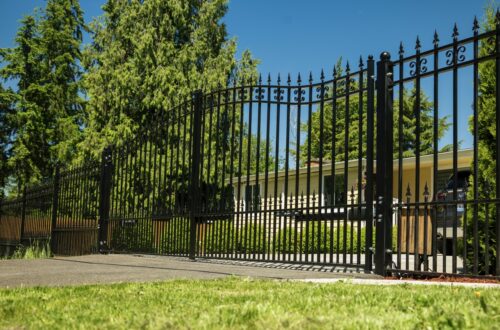
Steel and aluminum fencing provide strength and durability without the risk of termites consuming the fence material. Protective finishes can help resist corrosion and weather-related wear.
Metal fences are available in a variety of styles, from decorative picket designs to contemporary panels. They’re an excellent choice for homeowners who prioritize security, curb appeal, and long-term performance.
ALEKO offers metal fencing, including galvanized steel fence panels and DIY fencing kits designed for residential and commercial applications.
Vinyl Fencing
Vinyl fences are another termite-proof option, offering the privacy of traditional wood fencing without the same maintenance requirements.
Unlike wood, vinyl doesn’t rot, splinter, or require regular staining and sealing. Its moisture-resistant surface makes it a practical option for outdoor spaces exposed to changing weather conditions.
ALEKO’s vinyl fencing includes privacy and semi-private styles, such as the Denver Series 6′ x 6′ Vinyl Semi-Private Fence, which combines a solid lower section with a decorative picket top.
When comparing fencing materials, it’s important to consider more than the initial cost.
| Fence Material | Termite Resistance | Maintenance |
| Untreated wood | Low | High |
| Cedar or redwood | Moderate, varies | Moderate to high |
| Pressure-treated wood | Higher, treatment-dependent | Moderate |
| Steel or aluminum | Termite-proof | Low |
| Vinyl | Termite-proof | Low |
Although metal and vinyl fencing may have a higher upfront cost than some traditional wood options, their durability and lower maintenance requirements can make them a cost-effective investment over time.
For more information on available styles and materials, explore our guide to the types of metal fencing.
Protect Your Property From Termites
Termites can cause serious damage to a wooden fence before the warning signs become obvious. Regular inspections, moisture control, and timely treatment can help prevent minor termite issues from turning into expensive repairs.
If your fence has already suffered extensive damage, replacing it with a termite-proof material may be the best long-term solution.
At ALEKO, we offer durable metal fencing and vinyl fencing designed to protect your property while complementing your outdoor space. Explore our fencing options to find a low-maintenance solution that fits your style, needs, and budget.