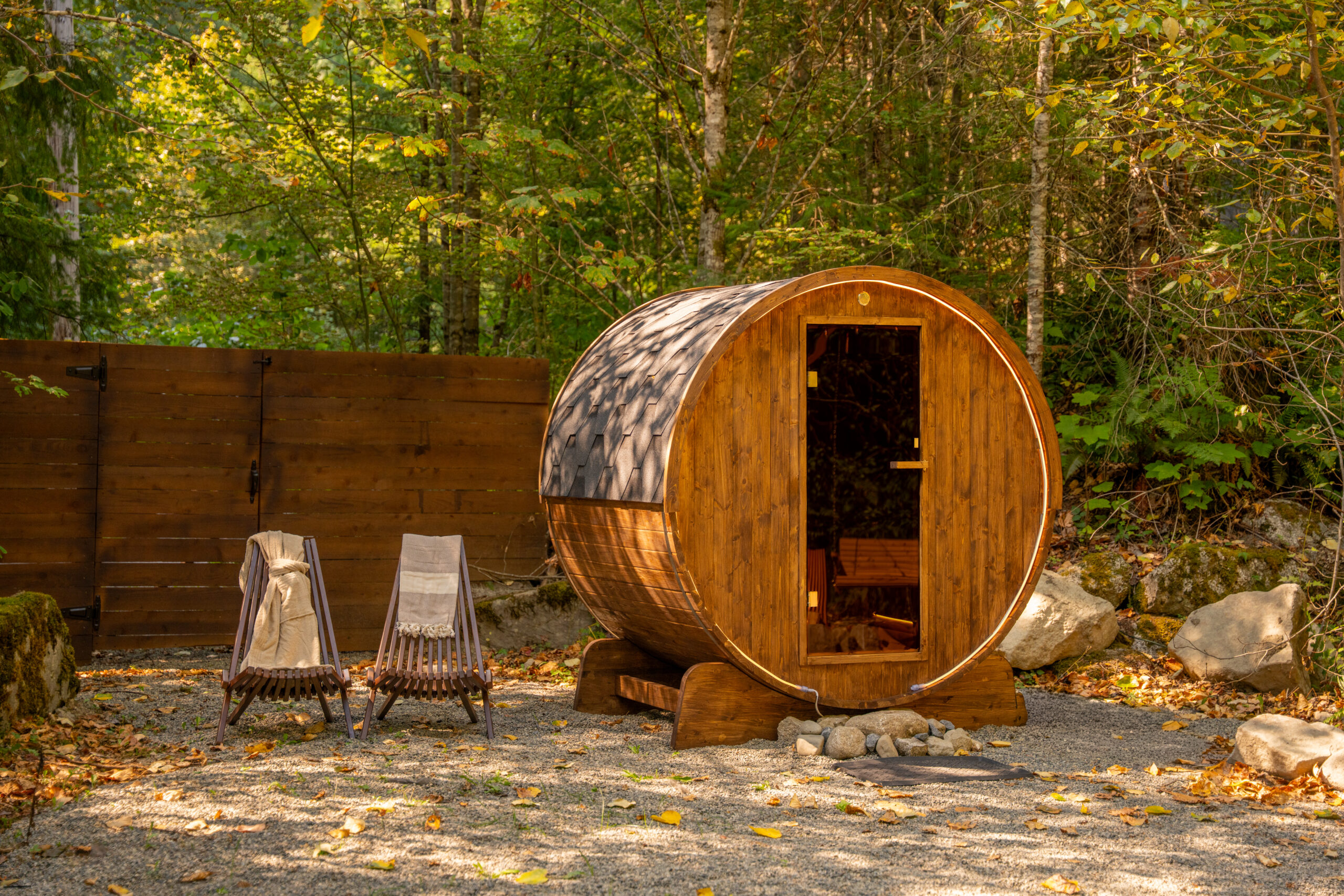
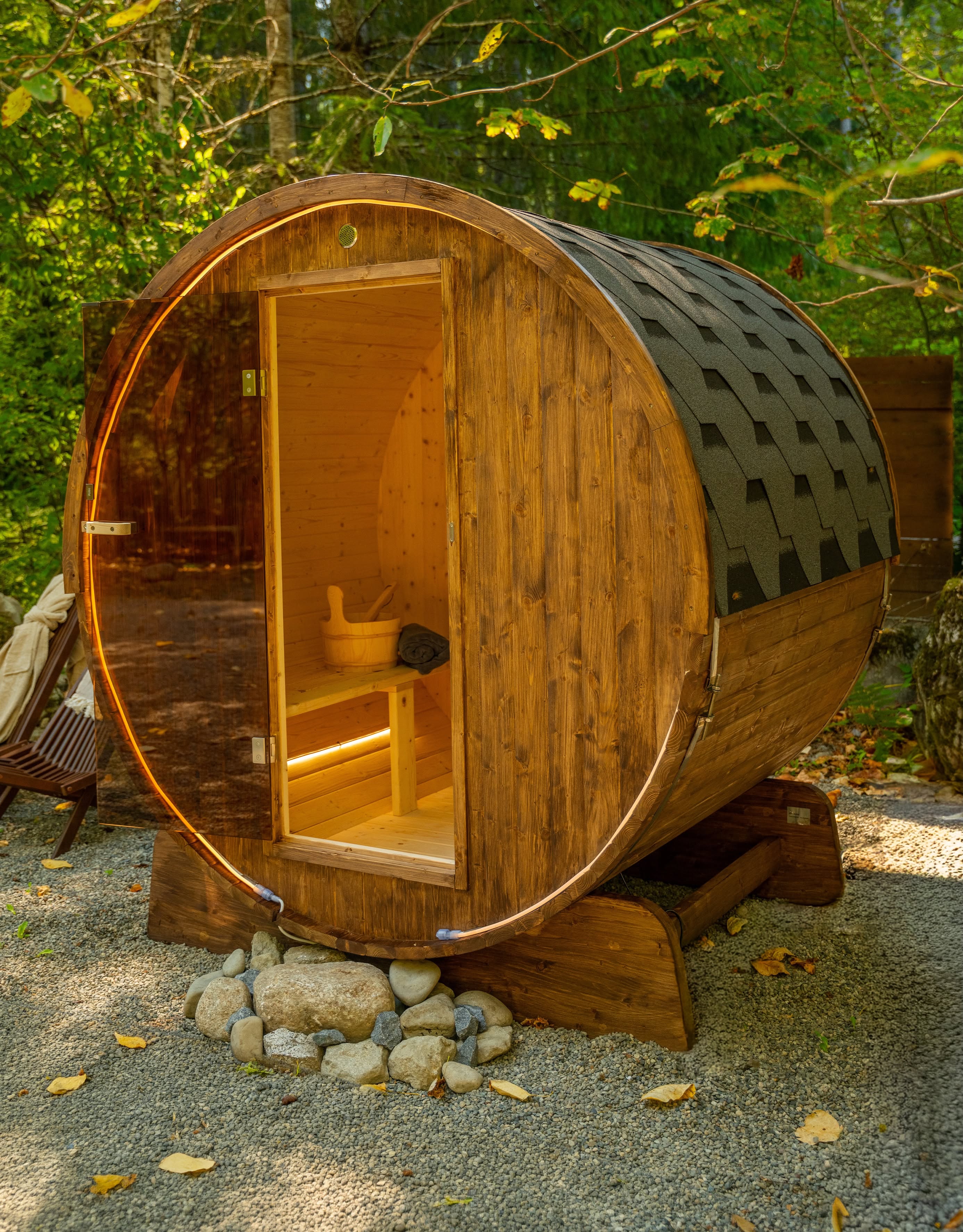
Building a home sauna used to mean hiring a contractor and starting from a blank slate. Now, most homeowners choose between two paths: buying a ready-made home sauna kit that ships pre-cut and ready to assemble, or building a custom sauna designed around their exact space. Neither option is better across the board. The right one depends on your budget, the space you’re working with, and how much control you want over the final design.
Key Takeaways
Here’s a quick check before you get into the details:
- Choose a prefab sauna if you want a more predictable price, faster setup, and fewer design decisions.
- Choose a custom sauna if you need specific dimensions, materials, layouts, or design features.
- Prefab doesn’t mean one-size-fits-all. You can still choose from different sizes, indoor and outdoor designs, traditional and infrared heat, and modern or rustic styles.
- Installation still matters. Even prefab kits may require site prep, assembly, and electrical work depending on the model.
- The main factors to compare are cost, space, installation, customization, timeline, and the actual sauna experience.
Prefab vs. Custom Saunas: What’s the Difference?
Prefab Saunas
Prefab home saunas arrive pre-designed in set dimensions and configurations, usually as a flat-pack or pre-cut kit that you assemble on-site. Kits are generally DIY-friendly, and manufacturers offer several types of saunas within that category: indoor and outdoor models, plus a choice between traditional and infrared heat. “Prefab” doesn’t mean limited. It means the design decisions are already made for you.
Custom-Built Saunas
A custom sauna is designed specifically for the homeowner and the available space. You get more control over dimensions, layout, materials, seating, and features like a full glass front or a specific wood species. Custom builds typically involve a contractor or a specialty sauna builder rather than a kit you put together yourself.
Comparing Prefab and Custom Saunas
Cost
Prefab kits offer more predictable upfront pricing because the sauna, heater, and materials are bundled into a single cost. Custom sauna costs vary widely, since they depend on materials, labor, size, and design complexity, and can climb quickly once you add contractor fees on top.
Installation and Timeline
Prefab can simplify the building process, but that doesn’t mean zero work. Site prep, assembly, and electrical wiring may still be required depending on the model and where it’s going. Custom projects typically involve a longer design and construction process, often stretching from initial planning to a finished sauna over several weeks or months.
Design and Customization
Prefab kits come in predetermined sizes, layouts, and features, which is exactly what makes them faster to plan around. Custom sauna projects offer far more flexibility for unusual spaces or specific design goals, like fitting a sauna into an oddly shaped corner..
Indoor vs. Outdoor Placement
Whether you’re leaning toward indoor saunas or outdoor saunas, placement affects more than looks. Consider your available space, whether the floor or foundation can support the unit, weather exposure if it’s going outside, electrical access, and ventilation requirements either way.
Should You Choose a Prefab or Custom Sauna?
Choose a Prefab Sauna If You Want
A prefab kit tends to make sense when predictability matters more than a fully personalized build:
- More predictable costs, since the kit price covers most of what you need
- Faster, simpler installation compared to a full custom build
- A proven layout and design that’s already been tested
- Multiple ready-made styles and sizes to choose from
Choose a Custom Sauna If You Want
A custom build makes more sense when your space or vision doesn’t fit a standard kit:
- A sauna built around an unusual space, like an attic nook or an oddly angled backyard corner
- Specific dimensions or seating layouts that a standard kit won’t match
- Greater control over materials and finishes, down to the wood species and door style
- A highly personalized design from the ground up
What to Look for When Buying a Prefab Sauna
Once you’ve decided prefab is the right direction, a few details separate a good kit from a frustrating one:
- Traditional vs. infrared heat – a traditional sauna heats the air with a wood-burning or electric heater and often includes hot stones for splashing water and creating steam (a practice Finnish sauna culture calls löyly), while infrared heat warms your body directly at lower temperatures with less humidity.
- Indoor vs. outdoor construction – outdoor units need weather-resistant materials and roofing, while indoor units need proper ventilation and floor protection.
- Sauna capacity and dimensions – you can choose from a 1–2 person unit that fits in a bathroom corner to a 4-person or larger 8-person model built for a home gym, backyard space, or finished basement.
- Electrical and installation requirements – most electric sauna heaters need a dedicated 240V circuit and require a licensed electrician for safe wiring, so factor that into your budget upfront.
- Wood, heater, controls, and included features – cedar (including western red cedar), Nordic spruce, pine, and hemlock are the most common woods in sauna kits, prized for holding up well in heat and humidity, and better kits pair them with a name-brand heater like Harvia rather than a generic one.
Compare the total installed cost, not just the sauna’s sticker price. A cheaper prefab sauna kit can end up costing more overall once you add electrical work, a proper floor, and any site prep the manufacturer doesn’t include.
Explore ALEKO Prefab Saunas for Different Spaces
ALEKO carries indoor and outdoor barrel saunas built from red cedar and pine, with both traditional wood-burning or electric heat depending on the model. Indoor kits come with a Harvia electric heater (or offer infrared heat), sauna stones, and the accessories needed to get started, while outdoor cabin and barrel styles add weather-resistant roofing for year-round use.
Styles range from rustic wood-paneled cabins to more modern builds with large tempered glass panels for a brighter, more open feel. Sizes range from compact 2-person saunas, including 2-3 person models that fit in a spare bathroom or closet, up to 4-person indoor saunas built for home gyms or a finished basement, plus larger outdoor models for families who want to sauna together. There’s no single right model here. It’s about matching the size, heat type, and style to your space, your household, and your budget.
Find the Right Sauna for Your Home
If you want a predictable price, a faster install, and a layout that’s already proven to work, a prefab sauna kit is the practical choice. If your space is unusual or you have specific design goals that a standard kit won’t meet, a custom build gives you the control to get there, at a higher cost and a longer timeline.
For most homeowners, prefab hits a comfortable middle ground: real choice in size, heat type, and indoor or outdoor placement, without the cost and complexity of a fully custom project.
Explore ALEKO’s sauna lineup by size, heat type, and indoor or outdoor placement to find the model that fits your space and how you actually plan to use it.