Living near the coast offers beautiful scenery and easy access to the water, but coastal environments can be especially demanding on outdoor structures. Salt air, humidity, moisture, intense sun exposure, and high winds create unique challenges that can shorten the lifespan of many fencing materials.
For homeowners in coastal areas, choosing the right fence is essential. The right fencing solution can help reduce upkeep, improve durability, and maintain curb appeal for years to come. Whether you’re looking for privacy, security, or decorative appeal, selecting a fence designed to withstand coastal conditions can make a significant difference in both performance and long-term value.
Key Takeaways
- Coastal fences need to withstand salt air, moisture, high winds, and UV exposure.
- Vinyl fencing is a popular choice for coastal homes because it resists rot, insects, and moisture.
- Composite fencing offers the look of wood with significantly lower maintenance requirements.
- Aluminum fencing provides excellent corrosion resistance and durability in coastal environments.
- Low-maintenance fencing materials often provide the best long-term value for coastal homeowners.
What Coastal Climates Can Do to Fencing
Coastal climates expose fences to conditions that accelerate wear and tear. Understanding these challenges can help homeowners make informed decisions when comparing fencing materials.
One of the biggest concerns is salt air. Constant exposure to salt can speed up corrosion and rust, particularly in fencing systems made from untreated steel or iron. Over time, salty air can weaken materials and affect the appearance of the fence.
Moisture and humidity also play a major role. Traditional wood fence materials may absorb moisture, causing boards to warp, crack, or rot. Even durable wood species such as cedar and redwood require regular sealing and ongoing maintenance to help prevent water from seeping into the material.
High winds are another challenge commonly associated with coastal weather. Strong gusts can place stress on fence posts and panels, potentially impacting stability and longevity. Choosing durable materials and ensuring proper installation can help your fence withstand coastal conditions and remain secure over time.
Best Fence Materials for Coastal Areas
Vinyl (PVC) Fencing
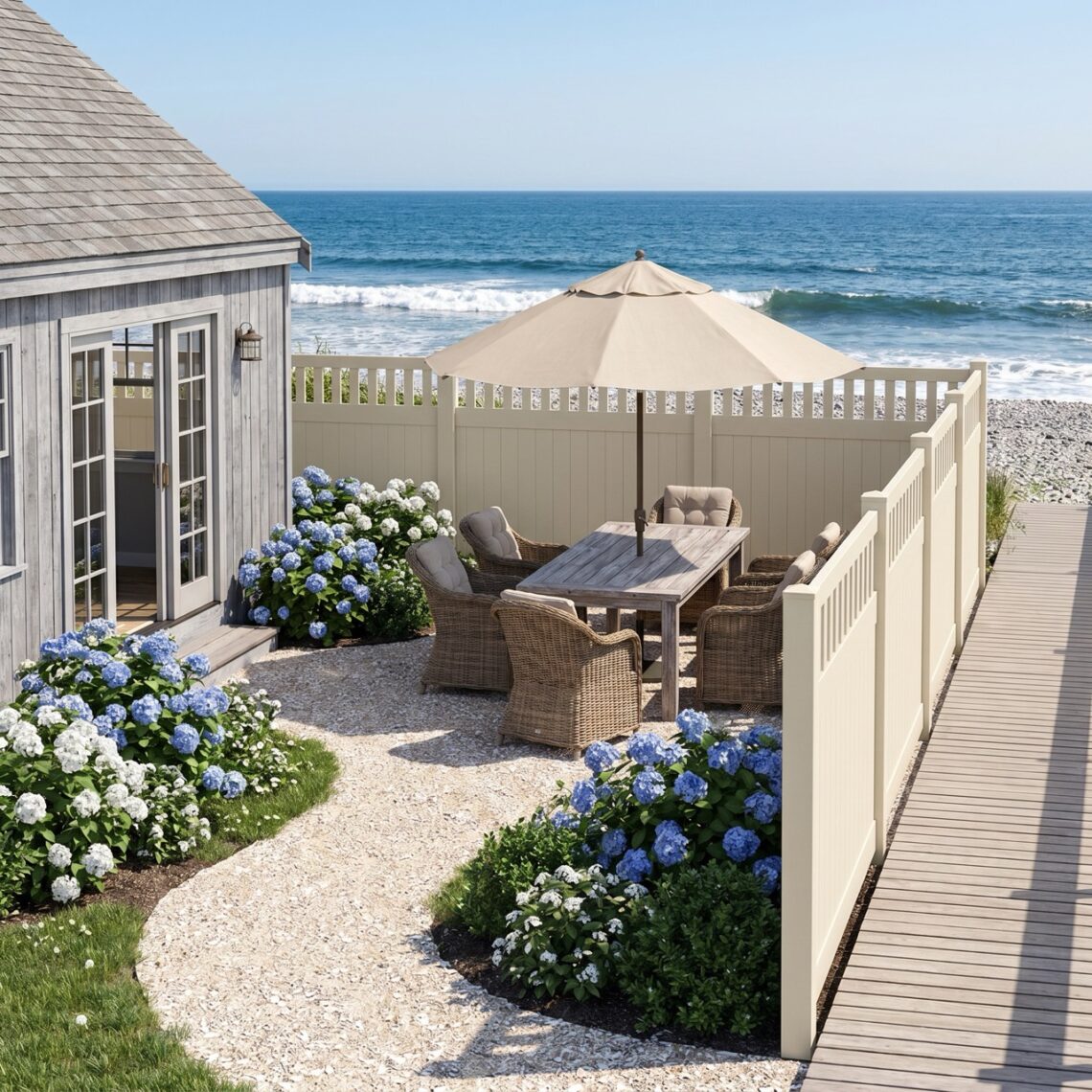
Vinyl fencing is one of the most popular options for coastal homes because it is highly resistant to moisture, rot, and insects. Unlike wood, vinyl does not absorb water, making it an excellent choice for areas with frequent humidity and exposure to salt.
One of the biggest advantages of vinyl fences is their low maintenance requirements. Homeowners who want minimal upkeep appreciate that vinyl does not require staining, sealing, or painting. Occasional cleaning is usually enough to keep it looking its best.
In addition to durability, vinyl fencing provides a clean, modern aesthetic that complements many residential properties. Homeowners looking for durable, low-maintenance solutions can explore ALEKO’s vinyl fencing options, which are designed to perform well in demanding coastal climates.
Composite (WPC) Fencing
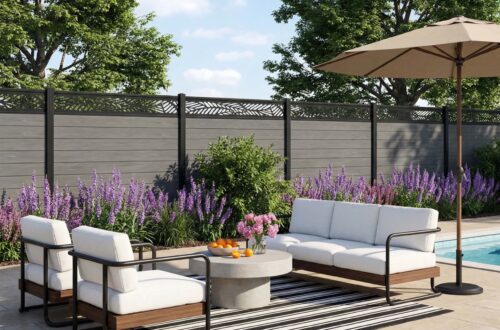
Composite fences offer the appearance of natural wood while delivering improved resistance to moisture and decay. Made from a blend of wood fibers and recycled materials, composite fencing provides an attractive alternative for homeowners who appreciate wood-like aesthetics without the extensive upkeep.
Compared to traditional wood fencing, many composite fences are less likely to warp or rot when exposed to moisture and salt. This makes them a durable option for coastal environments where humidity is a constant factor.
Composite fencing is available in a range of colors, textures, and styles, allowing homeowners to achieve a natural look while benefiting from enhanced durability. Those seeking attractive and long-lasting composite fencing solutions can find options that balance appearance and strength while minimizing maintenance requirements.
Metal Fencing
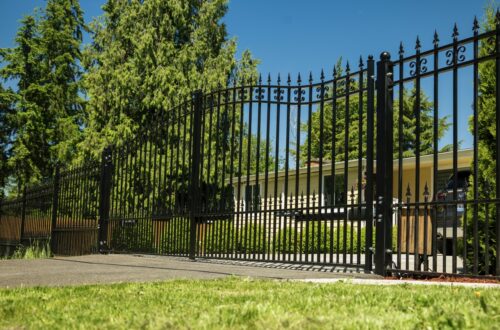
Metal fencing can perform exceptionally well in coastal areas when it is manufactured with corrosion-resistant materials and protective finishes. While aluminum is commonly used in coastal climates due to its natural resistance to corrosion, powder-coated steel fencing can also provide excellent durability and long-term performance when properly maintained.
One of the key factors in coastal environments is the protective coating applied to the metal. Powder coating helps create a barrier against moisture, salt air, and UV exposure, reducing the risk of corrosion and helping the fence maintain its appearance over time.
Metal fencing offers a combination of strength, security, and style that appeals to many homeowners. Decorative designs, clean lines, and durable construction make metal fencing a popular choice for both residential and commercial coastal properties.
To help maximize lifespan in areas with constant exposure to salt and humidity, homeowners should periodically rinse fencing with fresh water to remove salt buildup and inspect surfaces for any signs of wear. With proper care, powder-coated metal fencing can withstand coastal conditions while providing lasting curb appeal and reliable performance.
For homeowners seeking durable and attractive solutions, ALEKO’s metal fencing are designed to deliver security, style, and long-term value in a variety of environments.
How to Choose the Right Coastal Fence
Consider Maintenance Requirements
Different fencing materials require different levels of upkeep. Traditional wood fences often need regular staining, sealing, and repairs to protect against moisture and decay. In contrast, vinyl, composite, and aluminum fences generally require less ongoing maintenance, making them attractive choices for busy homeowners.
Think About Wind Exposure
Wind exposure should be a key consideration when selecting a fence for coastal properties. Open-style designs such as picket or aluminum fences often allow wind to pass through more easily, reducing pressure on the structure compared to fully enclosed designs.
Match the Fence to Your Style Goals
The ideal fence should complement your home’s architecture and landscaping. Vinyl fencing works well for clean, contemporary designs, while composite fencing offers more natural aesthetics. Metal fencing is often chosen for decorative applications, security needs, or minimalist styles that emphasize simplicity and elegance.
ALEKO Fencing Options for Coastal Properties
ALEKO offers fencing solutions designed to handle the demands of coastal living. Whether your priority is privacy, aesthetics, security, or low maintenance, there are options available to fit a variety of needs and preferences.
ALEKO Vinyl fencing provides a strong barrier against moisture and offers excellent resistance to decay. ALEKO composite fencing combines wood-like beauty with enhanced durability and lower upkeep. ALEKO metal fencing delivers corrosion resistance and long-lasting performance while maintaining an attractive appearance.
By choosing high-quality fencing products designed for coastal environments, homeowners can enjoy greater durability, reduced maintenance, and lasting curb appeal.
Find the Right Fence for Your Coastal Property
Choosing the best fencing for coastal areas requires balancing maintenance requirements, climate challenges, and design preferences. Salt air, humidity, high winds, and constant exposure to moisture can all affect the lifespan of a fence, making material selection especially important.
Whether you prefer the clean appearance of vinyl, the natural aesthetics of composite materials, or the strength and corrosion resistance of aluminum fencing, investing in the right fence can provide long-term value and reliable performance. With durable fencing solutions designed to withstand coastal weather, homeowners can enjoy both beauty and functionality for years to come.