
Thinking about putting up a fence? You’re not alone. Whether you’re trying to keep pets safe, create a little privacy, or simply define your space, the right fence makes a big difference. But here’s the question on every homeowner’s mind: Is a chain link fence cheaper than a wood fence?
At first glance, chain link fencing might seem like the obvious budget pick, but is it really the better value long term? And how does it stack up when it comes to looks, durability, and maintenance?
In this guide, we’ll cover the costs, pros, cons, and everything in between, so you can make the best choice for your property, your lifestyle, and your wallet. Whether you’re leaning toward a classic wooden home fence or the practicality of chain link, we’ve got the full comparison to help you decide. Let’s get into it.
Upfront Installation Costs
Let’s talk dollars and cents. One of the biggest advantages of chain link fencing is the relatively low upfront cost. Chain link fence installation typically ranges from $10 to $20 per linear foot. This includes the material (usually galvanized steel) and labor, assuming professional installation.
In contrast, wood fence installation can run anywhere from $15 to $45 per linear foot depending on the type of wood, fence height, and design. Premium wooden fences, like those made from cedar or redwood, can push that number even higher. So yes, if you’re going purely by initial expense, a chain link fence is generally the cheaper option.
Average Cost per Linear Foot
- Chain Link Fence: $10–$20 per linear foot
- Wood Fence: $15–$45 per linear foot
That’s a pretty wide range for wood fencing. Why? Because wood comes in many varieties like pine, cedar, redwood, and each has its own price tag and lifespan. Plus, wood privacy fences require more material and labor, especially if you opt for a taller fence with decorative features.
Hidden Expenses to Consider
The numbers above tell only part of the story. While chain link fencing is cost-effective upfront, certain add-ons like vinyl coating for appearance or privacy slats can increase the chain link fence cost considerably. Likewise, wood fences often require ongoing maintenance that adds to their overall cost over time.
Also, factor in gate hardware, corner posts, and any special installation challenges, like sloped terrain or rocky soil, that can increase the overall cost of either fencing option.
Long-Term Maintenance and Durability
How Long Do Chain Link Fences Last?
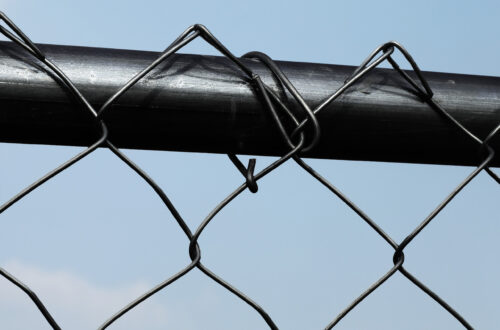
Chain link fences are made from galvanized steel, making them highly resistant to rot, rust, and insect damage. On average, a well-installed chainlink fence can last 20 to 30 years with minimal upkeep. That’s a huge win for property owners who want a low maintenance fencing material.
And when it comes to repairs, chain link fence repair is usually quick and inexpensive—most issues involve replacing a damaged section or post.
Wood Fence Lifespan and Upkeep Requirements
Wood fences, while charming, require more attention. A standard wooden fence may last 10 to 20 years, depending on the type of wood and exposure to the elements. However, wood is vulnerable to rot, mold, and termite damage. It also tends to warp, crack, and fade over time.
To extend the life of your wood fence, you’ll need to:
- Repaint or re-stain every few years
- Treat the wood for pests and moisture
- Inspect regularly for damage from weather or wear
That extra upkeep translates to higher long term costs, even if your wood fence looked like the better deal upfront.
Repairs, Treatments, and Weather Impact
Rain, sun, wind, and snow all take a toll. In hot, humid climates like Florida, wood fences may degrade faster due to moisture and heat. Chain link, by contrast, holds up better in most weather conditions, especially when coated for extra durability.
Appearance and Aesthetic Appeal
The Look of Chain Link: Functional but Basic
Chain link fences are often associated with commercial properties or utilitarian use. They’re not the most beautiful fencing option, but they get the job done. That said, modern chain link fencing has come a long way—black vinyl-coated options are sleeker and more visually appealing.
Wood Fences for Privacy and Charm
When it comes to charm, wood takes the crown. A wood fence adds a warm, classic look to almost any yard. Whether it’s a white picket fence or a tall cedar barrier, wooden fences create a sense of enclosure and coziness that chain link fences simply can’t match.
They also work well with other elements of your home’s design, helping to improve curb appeal and property value—especially in residential neighborhoods.
Enhancing Either Fence with Paint, Stain, or Greenery
Want to dress up your fence? Both types can benefit from a few creative touches:
- Paint or Stain: A fresh coat of paint or stain can extend the life of wood and elevate its appearance. While chain link isn’t typically painted, vinyl coatings come in various colors to match your aesthetic.
- Greenery: Use climbing plants or shrubs to soften the look of a chain link fence or to add life to wooden fencing. It’s an eco-friendly way to boost privacy and visual interest.
Security and Functionality Considerations
Which Fence Offers More Privacy?
If privacy is your top concern, wood wins hands-down. A tall wood privacy fence creates a solid barrier, blocking views and reducing noise. Chain link fences are see-through by nature, though you can add privacy slats or mesh coverings.
Safety for Kids, Pets, and Property
Both fences can be made secure, but they serve different purposes. Chain link fences are often used to contain pets and mark property lines without obstructing views. Wood fencing offers more seclusion but may require more reinforcement to prevent digging or climbing.
Modifications for Improved Security
Want extra protection? You can customize either fence type:
- Chain Link: Add barbed wire (for commercial use), security mesh, or increase height.
- Wood Fence: Add locking gates, taller panels, or layered reinforcement.

Installation Factors That Influence Price
DIY vs. Professional Installation
Chain link fencing is easier to install than wood, making it a popular choice for DIYers. That said, both fence types benefit from professional installation to ensure longevity and structural integrity.
DIY installation may save money upfront, but poor execution could cost more in repairs later. For wood fence installation especially, correct post depth and spacing are critical to prevent sagging or shifting.
Terrain and Property Size
Your yard’s size and shape matter. Slopes, trees, and soil conditions all impact labor and material needs. Chain link fence installation tends to be more forgiving on uneven terrain, while wood fencing may require extra cutting and reinforcement.
Local Permits and Zoning Rules
Don’t forget to check with your city or HOA. Some areas limit fence type, height, or placement. You may need a permit, especially for a taller fence. Skipping this step could result in fines—or worse, tearing the whole thing down.
Which Fence Is Right for You?
Budget Priorities and Timeline
If you’re working with a tight budget or need something up fast, chain link is likely your best bet. It’s cost-effective, durable, and quick to install. But if you’re thinking long-term and want something that adds charm or resale value, wood may be worth the splurge—just budget for ongoing care.
Desired Look and Neighborhood Style
Take a walk through your neighborhood. If most homes have wood or vinyl fencing, a basic chain link fence might stand out in a not-so-flattering way. On the other hand, in rural or mixed-use areas, chain link may be perfectly acceptable, or even preferred for its functionality.
Environmental Considerations
Want to go green? Consider the environmental impact of each fence material. Wood fencing, especially when sustainably sourced, is biodegradable but may require chemical treatments. Chain link fences, made of steel, are recyclable and longer-lasting, but their production can be more energy-intensive.
You might also consider composite fencing or vinyl fences if you’re looking for alternatives with low maintenance and long lifespans. While not the cheapest upfront, they offer a solid balance between function, appearance, and durability.
Final Thoughts on Fence Costs
So, is a chain link fence cheaper than a wood fence? The answer is a resounding yes, in most cases. But the right fence for your home depends on a whole host of other factors, including:
- Initial vs. long-term cost
- Aesthetic goals
- Privacy and security needs
- Installation challenges
- Your lifestyle and maintenance preferences
Whether you’re fencing in pets, increasing privacy, or adding property value, the best fencing option is the one that checks the right boxes for you.Still deciding? Explore ALEKO’s wide range of fence materials, from galvanized steel chain link to beautiful wooden and vinyl fencing options. We make it easy to find the perfect fit for your home, style, and budget. Ready to get started? Browse our selection of metal fences today and discover the right fence for your property.